





How Often Should You Change Your Tires? | Washington, Missouri
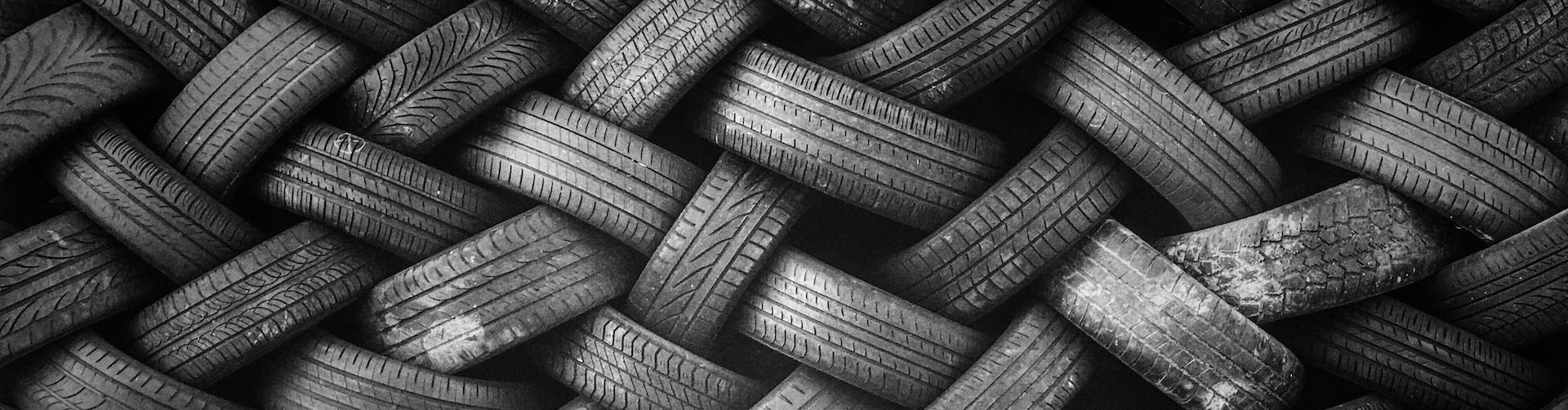
Tire replacement goes beyond just rubber meeting the road—your tires are essential to your vehicle’s safety, serving as the only point of contact with the pavement. Whether you’re navigating the streets of Washington, Missouri, or cruising on the highway, keeping your tires in good shape is vital for both your car’s performance and your safety.
So, how do you know when it’s time to replace your tires? It’s not only about the tread wear—it’s about protecting yourself, your passengers, and others on the road. If you're wondering how often to change tires, how often to replace tires, or how often should you get new tires, there are a few key things to keep in mind. Regular tire checks can help you spot signs of wear or damage. As a rule of thumb, tires should be replaced roughly every 6 years, but depending on your driving habits, road conditions, and climate, you might need to replace them sooner.
If you’ve asked yourself, "When should I replace my tires?" or "when to change tires," you're not alone. The timeline can vary, but certain signs—like worn tread, sidewall bulges, or odd vibrations—should prompt a closer inspection. Even if your tires look fine, they should be replaced if they’re more than 10 years old.
By keeping an eye on the condition of your tires, you’ll not only enhance your vehicle's performance but also drive more safely, whether you’re on the roads of Washington, MO, or elsewhere. It’s always safer to replace tires sooner rather than risk a dangerous situation later.
5824 Highway 100, Washington, MO 63090-4950
Today's Service Hours:
7:00AM - 6:00PM
The Issue of Mileage and Tread Depth
One of the key factors determining the lifespan of your tires is the amount of tread remaining. Tread depth is crucial for maintaining traction, especially in wet or slippery conditions. Most experts recommend changing your tires when the tread depth reaches 2/32 of an inch. To check this, you can use the age-old trick of inserting a penny into the tread with Lincoln's head facing downward. If you can see the top of Lincoln's head, it's time for new tires.
The Role of Mileage
While tread depth is a significant factor, the number of miles you put on your tires also plays a role in determining when they should be changed. On average, tires tend to last between 25,000 to 50,000 miles. However, driving habits, road conditions, and regular maintenance all contribute to the overall lifespan of your tires.
The Influence of Time: Aging Gracefully or Not?
Believe it or not, time can impact your tires as much as mileage. Even if your tread looks fine, tires can age and become less effective over time. Experts recommend replacing tires every six years, regardless of the remaining tread. This is because rubber tends to degrade, and older tires are more susceptible to blowouts, especially under stress.
The Importance of Regular Checks
While guidelines provide a general roadmap for tire maintenance, it's crucial to conduct regular checks, or inspections. Keep an eye out for signs of uneven wear, bulges, or any visible damage. If you notice these issues - especially a bulge - it's probably time to retire your current set of tires earlier than expected.
Seasonal Considerations
In regions with distinct seasons, changing your tires based on weather conditions is essential. Winter tires, designed with a different rubber compound to stay flexible in colder temperatures, provide better traction on snow and ice. Consider swapping between all-season, summer, and winter tires as the seasons change for optimal performance.
At Schicker Chrysler Dodge Jeep RAM of Washington, we understand the significance of well-maintained tires in enhancing your driving experience. Whether you're driving a brand-new Ford or a reliable used model, knowing when to change your tires is key to ensuring safety, performance, and longevity on the road. So, tread wisely and drive confidently, knowing your tires are up to the task!